Introduction: Why Cranberry Bogs Matter
Cranberry bogs are more than fruit factories — they’re living, breathing wetlands with complex food webs and unique microhabitats. For ecologists, these landscapes are natural laboratories where hydrology, vegetation, invertebrates, birds, and microbes interact. Among the unsung heroes of bog ecosystems are the cranberry bog spiders: a diverse set of arachnids adapted to wet, acidic soils and dense low vegetation. These small predators quietly shape insect communities, offer pest suppression services for growers, and act as indicators of habitat health. In this article we’ll unpack who these spiders are, what roles they play, and why conserving them benefits both biodiversity and cranberry agriculture.
Who Are the Cranberry Bog Spiders? (Taxonomy & ID)
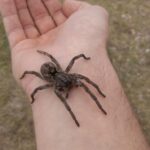
Cranberry bog spiders aren’t a single species but a functional assemblage — many genera and species occupy bog patches. Typical residents include small ground-dwelling spiders (like certain wolf spiders and lycosids), sheet- and funnel-web makers among tetragnathids and linyphiids, and sundry jumping spiders that patrol low vegetation. Identification often hinges on body shape, eye patterns, and web structure rather than bright color alone. These spiders share adaptations—flattened bodies for moving through thatch, hydrophobic setae (hairs) to shed water, and behavioral flexibility to cope with wet feet and variable prey.
Common genera and species found in bog habitats
While exact species vary regionally, researchers commonly record lycosids (wolf spiders), linyphiids (sheet-web spiders), and tetragnathids (long-jawed orb weavers) in cranberry bogs. Salticids (jumping spiders) patrol the low cranberry vines, and small gnaphosids run along the soil surface and within leaf litter. The particular community composition depends on bog management, season, and surrounding landscape connectivity.
Morphological traits adapted to bog life
Bog-adapted spiders often display subtle morphological traits: shorter, sturdier legs for moving in wet vegetation; hairs that repel water; and color patterns that blend with moss, peat, or dry thatch. These traits reduce drowning risk, improve prey capture in slippery surfaces, and aid camouflage from their own predators.
Cranberry Bogs: A Distinct Wetland Habitat
Cranberry bogs are shallow, low-lying wetlands, often acidic, with a mat of mosses, sedges, and low shrubs. Many are human-managed for agriculture, periodically flooded and drained for harvest and pest control; others are wild bogs with similar structural complexity. Seasonal water-level changes, cool soil temperatures, and dense ground cover make bogs a distinct microclimate that shapes resident fauna.
Hydrology and vegetation of cranberry bogs
Water is the bog’s pulse. Sphagnum moss and peat hold moisture; late-summer drawdown can expose mudflats where ground hunters thrive; winter floods change habitat availability. Cranberry vines create a low canopy, adding structural heterogeneity — perfect for web-building and ambush predators alike.
Seasonal dynamics and human cultivation
Managed bogs cycle through flooding for harvest, frost protection, and pest suppression. These manipulations alter microhabitats: flooding can temporarily displace ground-active spiders, while dry periods concentrate prey and predators. Understanding these rhythms is key to predicting spider population responses.
Ecological Roles of Cranberry Bog Spiders
Spiders are predators—but in bogs this role radiates outward. They reduce populations of herbivorous insects that can damage cranberry vines, control nuisance dipterans and aphids, and help keep disease-vectoring insects in check. Beyond direct predation, their presence affects prey behavior (the “ecology of fear”) and thus influences plant-insect interactions and nutrient flows.
Predation and pest control
Cranberry pests — such as certain moth larvae, aphids, and springtails that damage fruit or foliage — can be kept in check by spider predation. Web-building species trap flying or jumping pests; ground hunters ambush larvae and beetles. For growers, this translates to a form of biological control that reduces pesticide dependence.
Pollination facilitation (indirect roles)
This might sound odd — spiders and pollination? Indirectly, yes. By controlling herbivores that consume floral structures or by suppressing nectar-thieving pests, spiders can help create a safer, more productive environment for pollinators. Some spiders also capture pollinators occasionally, creating a complex trade-off that researchers are still unraveling.
Trophic linkages: prey and predators
Spiders sit mid-food-web: they consume a variety of invertebrates and themselves are prey for shrews, small birds, and amphibians. Their abundance affects the diet and reproductive success of higher trophic levels, linking bog invertebrates to vertebrate community health.
Behavior and Life Cycle in Bog Conditions
Bog spiders time their life cycles with seasonal pulses. Many species lay eggs in silk sacs tucked under moss or vine leaves; others build egg sacs attached to stems. Juveniles often hatch in spring to exploit the insect surge. Behavioral tactics such as torpor, migration to raised hummocks, or building water-resistant retreats help them survive floods and freezes.
Reproduction and egg-laying strategies
Egg sac placement is strategic — tucked high on plant stems to avoid flooding, or buried shallowly in insulating moss. Parental care varies: wolf spiders sometimes carry egg sacs attached to their spinnerets, giving the young a mobile start once they hatch — a useful trait in a fluctuating bog environment.
Overwintering and dormancy tactics
Cold seasons trigger diapause in many species. Hiding in leaf litter, moss, or under bark provides thermal buffering. Managed bogs that are flooded for winter can alter survival; some spiders recolonize in spring, while others rely on nearby refuges to maintain populations.
Interactions with Other Bog Species
Cranberry bog spiders don’t exist in isolation. They compete with predatory beetles and parasitoid wasps for prey and can influence detritivore populations that drive decomposition. Their webs can even provide microhabitats for tiny symbionts (mites, springtails) that live among silk and debris.
Competition with other invertebrates
Predatory ground beetles and centipedes often compete with spiders for the same larval prey. When beetle populations spike (for example, after a pesticide event that kills spiders), prey dynamics shift — sometimes harming crop health. Maintaining predator diversity helps stabilize these interactions.
Role in detritus-based food webs
By preying on detritivores (organisms that break down dead plant matter), spiders indirectly influence decomposition rates and nutrient cycling. This is especially true in bogs, where slow decomposition defines carbon storage dynamics.
Cranberry Bog Spiders and Cranberry Agriculture
For growers, spiders are both friend and, occasionally, a complication. In many cases their predation reduces pest outbreaks, saving money and lowering chemical inputs. However, if key predator species decline due to management practices, pest outbreaks can become more severe — a classic example of trophic imbalance.
Benefits: natural pest suppression
Research and grower observations show that maintaining structurally diverse bog edges (hedgerows, unmown strips) increases spider abundance and reduces pest pressure. Such habitat refuges are low-cost ways to boost natural pest control.
Risks: when spider presence conflicts with management
In rare cases, high spider web densities on fruit can complicate mechanical harvest or packing. Additionally, if growers misidentify harmless spiders as pests, they might apply unnecessary control measures that harm beneficial fauna. Education and targeted monitoring solve many such conflicts.
Threats to Cranberry Bog Spiders and Bog Health
Like all wetland specialists, bog spiders face habitat loss, drainage for land conversion, and chemical exposures from agricultural inputs. Pesticides — especially broad-spectrum insecticides — can decimate spider populations and disrupt biological control. Climate change shifts hydrological regimes, which may make bogs less suitable for spider communities adapted to predictable water cycles.
Habitat loss and drainage
Draining a bog for development or agriculture eliminates the microhabitats spiders need. Even partial disturbance (peat extraction, road building) fragments populations and reduces genetic flow.
Pesticides and chemical stressors
Broad-spectrum insecticides kill non-target predators as readily as pests. Sublethal exposures can affect spider hunting behavior and reproduction, weakening their ecological role. Buffer zones and selective chemistries reduce this risk.
Climate change impacts on wetland hydrology
Altered precipitation patterns and warmer winters can change freeze-thaw cycles, inundation timing, and plant communities — all of which ripple into spider life histories. Some species may shift ranges; others may decline if unable to find refugia.
Monitoring and Studying Bog Spiders
Knowing who’s present and in what numbers is the first step to conservation. Standard methods include pitfall traps for ground-active species, sweep-netting for foliage hunters, and visual beat-sheet surveys for web-builders. Molecular tools (DNA barcoding) increasingly help with species identifications when morphology is ambiguous.
Sampling methods (pitfall traps, sweep nets)
Pitfall traps give a steady measure of ground-active abundance; sweep nets capture arboreal and foliage-dwelling spiders. Repeated sampling across seasons builds a picture of population dynamics and responses to management changes.
Citizen science and monitoring programs
Engaging local growers and volunteers in monitoring expands geographic coverage. Simple protocols (photograph, measure, upload) help track changes and build stewardship. Training boosts data quality and fosters practices that protect spider habitat.
Conservation and Management Strategies
What can be done? Simple steps: maintain hedgerows and buffer strips, reduce broad-spectrum pesticide use, apply IPM principles, and protect adjacent wetlands. For managed bogs, timing chemical applications to avoid peak spider activity and preserving refugia during harvest season help conserve beneficial predators.
Habitat-friendly agricultural practices
Leaving sprigs of unmown vegetation, preserving peat hummocks, and restoring native vegetation around bog edges create refuges for spiders and other beneficials. Such practices often lead to measurable reductions in pest outbreaks.
Integrated pest management (IPM) approaches
Combining monitoring, biological control, targeted chemical use, and habitat management maximizes control while minimizing ecological harm. Spiders are a natural partner in IPM when their needs are considered.
Research Gaps and Future Directions
Despite their importance, cranberry bog spiders are under-studied. We need more long-term population studies, experimental tests of spider-driven pest suppression, and investigations into how hydrological manipulations affect spider communities. Molecular methods could clarify species cryptic diversity, and modeling could predict climate-driven range shifts.
What we still don’t know about bog spider ecosystem services
Key unknowns include the quantitative contribution of spiders to crop yield, thresholds of spider abundance for effective pest control, and how multi-predator interactions shape outcomes in real-world bogs.
Priority experiments and monitoring needs
Manipulative field experiments (exclusion trials where spiders are reduced) can reveal real pest-control value. Long-term monitoring across management regimes will clarify best practices for growers and conservationists alike.
Practical Takeaways for Ecologists and Growers
- Spiders in cranberry bogs are allies — protect their habitat to enjoy natural pest control.
- Minimize broad-spectrum insecticide use and use IPM tactics.
- Maintain structural heterogeneity (hedgerows, unmown strips, peat hummocks).
- Monitor spider populations using simple trapping and visual surveys.
- Collaborate: growers, ecologists, and citizen scientists can co-manage bogs for production and biodiversity.
Case Study: Beneficial Spider Response after Reduced Pesticide Use
In several grower anecdotes and small-scale trials, reduced pesticide regimes led to rapid increases in web-building and ground-hunting spiders within a single season. These predator recoveries were followed by lower incidence of aphid and moth outbreaks the next year — a tangible win for both biodiversity and yield stability.
Conclusion
Cranberry bog spiders are small, often overlooked, but mighty contributors to the health of bog ecosystems. They provide pest control, influence nutrient cycles, and connect food webs from soil microbes to birds. Conserving them requires habitat-friendly management, informed pesticide use, and better monitoring. For growers and ecologists alike, acknowledging the value of these predators is a practical step toward resilient wetland agricultural systems and richer biodiversity.
FAQs
- Q1: What exactly are “cranberry bog spiders”?
- A: They are the assemblage of spider species commonly found in cranberry bogs — ground hunters (wolf spiders), sheet- and orb-weavers, and jumping spiders — that together influence bog food webs and pest dynamics.
- Q2: Do spiders damage cranberry crops?
- A: Rarely. While spiders may occasionally catch pollinators or create webs on fruit, their net effect is usually beneficial because they suppress herbivorous pests. Proper management minimizes any minor downsides.
- Q3: How can growers encourage beneficial spiders?
- A: Maintain structural habitat (hedgerows and unmown strips), limit broad-spectrum insecticides, use IPM, and provide refuges like peat hummocks and undisturbed vegetation patches.
- Q4: Are cranberry bog spiders threatened by climate change?
- A: Yes — changing precipitation patterns and warmer winters can alter bog hydrology, which may reduce suitable habitat or shift species composition. Conserving landscape connectivity helps species relocate or persist.
- Q5: Can citizen scientists help monitor bog spiders?
- A: Absolutely. Simple photo-based surveys, basic pitfall trapping under guidance, and recording web types are all accessible ways for volunteers to contribute valuable monitoring data.
- Uncover the hidden world of cranberry bog spiders and why they’re vital to wetland ecosystems.
- A must-read for ecology lovers, researchers, and nature enthusiasts!