Introduction: Cranberry Bogs as Fragile Ecosystems
Cranberry bogs look simple at a glance — neat rows of low vines, shimmering water at times, and a harvest that’s a major seasonal event. But beneath and between those vines there’s a quietly bustling ecosystem. Among the unsung heroes of that system are the bog spiders — little predators that, working at ground level and within vegetation mats, help keep pest populations in check. This article explores how bog spiders cranberries interact, why they matter for ecosystem health and crop resilience, and what growers and conservationists can do to support them.
What Are Bog Spiders? (Overview)
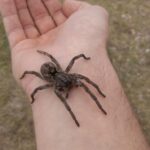
The term “bog spiders” isn’t a single species name but a practical label for the diverse spiders commonly found in wetland and bog environments. They include ground-dwelling wolf spiders, sheet-weavers that build low webs, and wandering hunters that use vegetation as hunting grounds. They’re small, efficient, and every bit as important to bog functioning as amphibians or predatory beetles.
Key Families and Species Found in Bogs
Typical families encountered in cranberry bogs include Lycosidae (wolf spiders), Linyphiidae (sheet weavers), and various Gnaphosidae and Theridiidae species. Each plays a slightly different role: wolf spiders hunt actively and suppress larger prey, while sheet-weavers trap many small flying or jumping pests. Knowing the dominant families helps target monitoring and management.
Life Cycle and Behavior
Most bog spiders have annual cycles tied to temperature and moisture. Eggs are laid in silk sacs, juveniles disperse in late spring and summer, and adults are most active during warm months. Many shelter in litter, beneath vegetation, or at the edges of ditches. Their life history makes them synchronized with the life cycles of many cranberry pests — an ecological handshake that enables effective predation.
Why Cranberry Bogs Need Predators
Agriculture often focuses on inputs and outputs: fertilizers, harvests, yields. That view misses the internal checks and balances that keep pest outbreaks rare. Predators reduce pest pressure non-chemically, increasing system resilience. In bogs, where flooding and pesticide constraints limit interventions, predators are particularly valuable.
Common Cranberry Pests and Their Impact
Cranberry pests include fruitworm moth caterpillars, cranberry tipworms, flea beetles, and various aphids and thrips. Left unchecked these can reduce berry set, damage fruit quality, and increase disease susceptibility. Repeated pesticide use to control them has ecological costs and can harm beneficial predators including spiders.
The Ecological Balance: Predators vs. Pests
Predators like spiders shift the population dynamics of pests in two ways: direct removal (eating pests) and by inducing behavioral changes (prey hide more, feed less, reproduce less). When balanced, this reduces peak pest densities and dampens the need for emergency chemical controls.
How Bog Spiders Help — Mechanisms of Pest Control
Spiders influence bog pest dynamics through multiple mechanisms: they directly consume eggs, larvae, and adult insects; their presence alters prey behavior; and they compete with other predators, shaping a complex web-of-life that can keep pest outbreaks smaller and shorter.
Direct Predation: What Spiders Eat in Cranberry Bogs
Diet studies and field observations show spiders eating cranberry fruitworm larvae, thrips, small beetles, and adult moths that land on low vegetation. Even partial predation on vulnerable life stages (e.g., newly hatched caterpillars) can substantially reduce subsequent plant damage.
Indirect Effects: Behavior Changes in Prey Populations
Prey species adapt their behavior when predators are common — for example, feeding at less optimal times or leaving exposed foliage. Those behavioral shifts reduce feeding efficiency and reproductive output, multiplying the spider’s impact beyond the number of prey they eat directly.
Benefits to Cranberry Crop Health and Yield
When spiders and other natural enemies are present, growers often see lower pest-related losses, more consistent berry set, and reduced reliance on chemical sprays. Though spiders don’t replace targeted pest control in severe outbreaks, they lower baseline pest pressure and can reduce the frequency of interventions.
Reduced Pesticide Use and Economic Benefits
Less pesticide use saves money directly and reduces the risk of pest resistance, beneficial-insect mortality, and pesticide residues. For market-sensitive crops like cranberries, fewer sprays also appeal to eco-conscious buyers and can be marketed as a sustainable practice.
Improved Pollination Dynamics (Indirect Links)
This might seem counterintuitive, but a healthier, less chemically-sprayed bog supports more pollinators (bees and flies). Robust pollinator communities increase flower visitation and fruit set — an indirect payoff from maintaining healthy predator communities, including spiders.
Habitat Requirements: What Makes a Bog Spider-Friendly Bog
Spiders aren’t random — they need structure, refuge, and prey. Bog features that support spider populations include vegetative complexity (varying heights and clumps), undisturbed litter, and stable moisture gradients near ditches and edges. Overly simplified bogs (bare soil, frequent disturbance) tend to have lower spider abundance.
Vegetation Structure and Moisture Levels
Dense patchy vegetation provides hunting platforms and refuge. Moisture gradients help species diversity — some spiders prefer very wet litter near standing water while others favor slightly drier hummocks. Maintaining microhabitat diversity is key.
Microhabitats: Sedge, Litter, and Ditch Edges
Sedge tussocks, leaf litter, and ditch banks are spider hotspots. These microhabitats trap prey and offer protection from flooding and predators. Simple practices like leaving narrow vegetated margins along ditches can dramatically increase spider habitat.
Conservation and Management Practices to Support Bog Spiders
Growers can adopt several straightforward, cost-effective practices to favor spiders: reduce broad-spectrum insecticides, create buffer strips of native plants, manage flood timing to avoid washing away spider egg sacs, and leave small refuges of undisturbed litter. These practices align well with integrated pest management (IPM) principles.
Minimizing Broad-Spectrum Pesticides
Broad-spectrum insecticides wipe out predators and pests alike. Switching to targeted treatments, pheromone traps, or biological controls when needed preserves spiders and other beneficials. Also, choose pesticides with shorter persistence and apply them when predators are least active (e.g., cooler hours) if possible.
Habitat Diversification and Riparian Buffers
Planting native sedges and wildflowers on field margins and ditch edges provides both prey base and shelter. These buffers act as spider nurseries and enhance overall biodiversity.
Timing of Harvests and Flooding Practices
Many growers flood for harvest or winter protection. Coordinating flood timing with spider life cycles — when practical — reduces egg sac loss. Leaving occasional unflooded refuges can maintain predator populations over the season.
Monitoring Spiders and Measuring Impact
To manage what you can measure, growers and ecologists should monitor spider abundance and diversity. Simple pitfall traps, beat-sheet sampling, and timed visual surveys work well and don’t require fancy gear. Record data alongside pest monitoring to detect correlations between predator levels and pest damage.
Simple Field Methods for Growers and Ecologists
Pitfall traps (small cups sunk level with the soil) catch ground-active spiders; gentle beating of low vegetation onto a sheet reveals web-builders and foliage hunters. A few transects sampled once every 2–3 weeks during the growing season give a useful trendline.
Interpreting Data: What to Track and Why
Track spider abundance, species groups (wolves, sheet-weavers, etc.), pest counts, and damage incidence. If spiders rise and pests fall (or damage declines), that’s useful evidence for natural control. If not, it may indicate that habitat or chemical practices are undermining the predator community.
Case Studies & Research Highlights (Summary)
Several field studies in wetland agriculture and berry systems show that diverse predator assemblages correlate with lower pest densities and reduced spray frequency. While exact results vary by region and pest complex, the broad pattern — predators help — is consistent. Grower-led trials that compare buffered versus conventional bogs often show higher predator numbers and similar or better yield stability in buffered systems.
Challenges and Trade-offs in Integrated Pest Management (IPM)
Spiders are powerful allies but not silver bullets. Severe pest outbreaks, invasive pests, or rapid weather-driven surges can outstrip natural control. Additionally, some management actions that favor spiders (e.g., leaving undisturbed litter) could conflict with sanitation or disease control practices if not carefully integrated.
When Spiders Aren’t Enough: Severe Outbreaks
In outbreak scenarios, targeted interventions remain necessary. But maintaining healthy predator populations helps ensure outbreaks are less frequent and recoveries are faster after control measures. Think of spiders as part of a broader safety net.
Balancing Crop Yield Goals and Biodiversity
Growers need reliable yields. The best approach balances short-term production needs with long-term ecosystem services. Many practices that support spiders also improve soil health, water quality, and pollinator communities — a win-win at landscape scale.
Future Research Directions
Areas ripe for more study include quantifying economic value of spider predation in cranberries, identifying the most effective microhabitat enhancements, and integrating spider data into precision IPM decision tools. Better species-level knowledge would also help tailor conservation practices to local conditions.
Practical Takeaways for Growers, Ecologists, and Policymakers
- Monitor predator and pest populations — simple methods suffice.
- Reduce non-selective insecticide use and prefer targeted treatments.
- Create and maintain vegetated buffers and ditch-edge habitats.
- Coordinate flooding/harvest timing to preserve predator life stages when feasible.
- Use adaptive management: experiment with small changes, measure outcomes, and scale what works.
Conclusion
Cranberry bogs thrive when their internal ecology is supported. Bog spiders are small but mighty contributors to that health — lowering pest pressure, reducing chemical needs, and indirectly supporting pollination and yield stability. By understanding spider ecology and adopting simple, spider-friendly management practices, growers and conservationists can create bogs that are both productive and resilient. The phrase bog spiders cranberries isn’t just a keyword — it’s a reminder that these systems are intertwined, and that supporting biodiversity often supports agriculture.
FAQs
Q1: Do bog spiders ever harm cranberry crops?
No — spiders are predators of pests and do not feed on the plants. They can be beneficial or neutral but are not plant pests.
Q2: Will reducing pesticide use cause immediate pest outbreaks?
Not necessarily. If reduced thoughtfully (targeted sprays, timing, and monitoring), lower pesticide use often maintains predator populations that prevent outbreaks. Sudden, total cessation without a plan can leave short-term gaps.
Q3: How can I tell if spiders are helping my bog?
Track simple metrics: pest counts, visible damage on vines, and spider catches using pitfall traps or beat sheets. If pest pressure declines as spider numbers rise, that’s a good sign.
Q4: Are there spider species I should encourage specifically?
Encourage generalist predators like wolf spiders and sheet-weavers; they’re effective across many pests. Exact species vary by region, so local surveys help.
Q5: Can habitat buffers really fit into commercial operations?
Yes — narrow vegetated margins, ditch-edge plantings, or small refuges can be integrated without major loss of production and often pay back through reduced inputs and more stable yields.
- Discover how bog spiders silently protect cranberry ecosystems and keep bogs thriving.
- Learn why these tiny predators are essential for healthy cranberry growth and biodiversity.