Quick answer: harmless or hazardous?
In most cases, a cranberry bog spider landing on you is more surprising than dangerous. These small, often shy spiders are adapted to wetlands and bog margins, not to biting humans. The typical outcome is a brief tickle, a quick shuffle as the spider seeks shelter, and then it’s gone. However, as with anything involving wildlife, there are exceptions — rare bites, individual allergies, or secondary infections can complicate a seemingly trivial event. Throughout this article we’ll unpack what to expect, what to do, and why these tiny creatures matter ecologically.
Meet the cranberry bog spider (who are they?)
Physical description
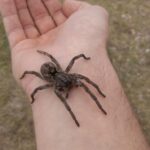
Cranberry bog spiders are generally small to medium-sized spiders found in wetland environments, especially around cranberry beds, marsh edges, and boggy grasses. Their coloration tends to be cryptic — browns, tans, or mottled patterns — which helps them blend into peat moss, sedges, and plant litter. Legs are often long and delicate; bodies are compact. They aren’t flashy like orb-weavers or large like wolf spiders. If you’re in a cranberry bog and you feel an arachnid presence, it’s probably a modest, quick-moving species.
Typical habitat: cranberry bogs and wetlands
These spiders thrive where water, plants, and insect prey are abundant. Cranberry bogs provide both shelter and a buffet of small insects — flies, midges, and other arthropods. The humid microclimate and dense vegetation give them plenty of spots to hide and hunt. Because these habitats are often worked by humans (harvest, inspection, walking the beds), chance encounters are possible.
Why might a cranberry bog spider land on a person?
Ballooning and accidental landings
Many spiders disperse by ballooning — releasing silk threads that catch the wind and carry them short or long distances. A spider out on a dispersal flight can simply drop onto a passerby. This is accidental, not malicious. The spider is trying to move to new ground, not to make you its next meal.
Attraction to clothing or motion
Shiny or textured clothing can trap or attract small insects, which in turn attracts spiders. Rapid motion or warm body heat may also lure a spider to take temporary shelter on fabric folds. Think of your jacket as a mini-ecosystem: if it’s collecting gnats, you might collect the spider that hunts them.
What you’ll feel (sensory experience)
Touch and tickle vs. bite
A spider walking over your skin typically feels like a faint tickle or the sensation of a tiny insect exploring. It’s fleeting — a couple of tiny steps — and often goes unnoticed until you look. A bite, by contrast, may feel like a sharp pinch or a localized sting. Most cranberry bog spiders, when they bite, produce minimal venom and cause only mild local effects.
Differentiating a spider walking from a bite
If it’s just a walk: rapid, feather-like steps; no immediate pain; quick disappearance. If it’s a bite: instant sharp sensation, possible tiny puncture marks, followed by redness, swelling, or itching that develops over minutes to hours.
Bites: probability and symptoms
How likely are bites?
Very low. Cranberry bog spiders are not aggressive toward humans and prefer insects. Most landings are accidental and the spider flees when it detects a large warm body. A bite usually occurs only if the spider is trapped against the skin (inside clothing) or feels threatened.
Typical signs of a non-dangerous bite
Mild redness, slight swelling, itching, and a small sore are common outcomes when a non-venomous or low-venom spider bites. Pain is usually minimal and short-lived. The body’s immune response — histamine release and localized inflammation — produces the visible signs.
When to worry — allergic reactions and infection
Seek medical attention if you notice any of the following: spreading redness or streaks from the bite site, severe swelling, escalating pain, fever, difficulty breathing, or systemic symptoms (nausea, dizziness). These signs suggest either a secondary bacterial infection or, in very rare cases, an allergic reaction. If someone has known severe spider or insect allergies, treat it like any other allergy exposure.
Behavioral ecology: what spiders do on people
Seeking shelter or a ride (phoresy)
When a spider clambers onto fabric, it may simply be seeking shelter from wind, sun, or predators. Some invertebrates use larger animals as temporary rides — a behavior called phoresy. It’s a short-lived commuting strategy, not parasitism.
Predatory behavior — are they hunting you?
No. Humans are far too large to be prey. A spider on you is almost always there because it misjudged the landing spot or is chasing smaller prey that was near you. They don’t see humans as food; they see us as landscape.
Immediate first-aid if a spider lands or bites you
For a landing (no bite)
Stay calm. The spider is probably as startled as you are. Gently brush it away onto the ground or a nearby plant. Try not to squash it — many spiders are beneficial predators. If you’d like photographic documentation, coax it onto a leaf or your glove and take a quick picture before releasing.
For a suspected bite
- Clean the area with mild soap and water.
- Apply a cold compress to reduce swelling and pain.
- Use an over-the-counter pain reliever or antihistamine for itching as needed.
- Keep the area clean and watch for signs of infection. Most bites resolve without prescription medication.
When to seek medical help
If pain or swelling worsens after 24 hours, or if systemic symptoms appear (fever, chills, vomiting, faintness), see a healthcare professional. Similarly, if the bite shows signs of spreading infection — increasing redness, warmth, or pus — medical treatment (possibly antibiotics) may be necessary. In cases of breathing difficulty or severe allergic response, call emergency services immediately.
Myths and misconceptions about spiders on people
“Spiders intentionally attack humans”
This is a human-centric myth. Spiders don’t plan or set out to attack people. Most spider-human encounters are accidental and defensive from the spider’s side.
“All spider bites are dangerous”
Only a small fraction of spider species have medically significant venom for humans. Cranberry bog spiders are not among the notorious few. Treat every unknown bite with respect, but don’t assume catastrophe.
How cranberry bog spiders fit into the ecosystem
Pest control and biodiversity
These spiders help control insect populations in bogs — including species that might otherwise damage plant life or become nuisances. Their predation supports the health and balance of the wetland food web.
Benefits to cranberry agriculture
In managed cranberry beds, spiders can act as natural pest suppressors. Farmers often appreciate their presence because spiders reduce reliance on chemical controls, contributing to integrated pest management (IPM) strategies.
How to reduce unwanted encounters humanely
Clothing and behavior tips in the field
Wear long sleeves, tuck pants into socks when walking through dense bogs, and shake out clothing before putting it on. Move deliberately — sudden lunges startle more spiders into lunging back (or into biting if trapped).
Habitat management and respectful coexistence
Minimize unnecessary spraying of broad-spectrum insecticides; preserve buffer vegetation; and use targeted strategies that protect beneficial predators like spiders. Coexistence benefits both biodiversity and crop health.
Observational tips for scientists and naturalists
Safe handling and photographing
Use a soft paintbrush or a leaf to coax a spider onto a collecting jar if necessary. Photograph from multiple angles for ID: dorsal (top), lateral (side), and close-ups of legs and abdomen. Avoid handling with bare hands unless you are trained.
Recording observations (what to note)
Note date, time, weather, precise location (GPS if possible), plant substrate (sedge, cranberry vine, peat), behavior (ballooning, hunting, sheltering), and any interaction with humans or other animals. This data helps ecologists understand spider distributions and behaviors.
Case studies / short anecdotes
Anecdote 1: A field ecologist inspecting cranberry beds felt a light tickle on her forearm. She gently brushed the spider onto a leaf and found a tiny araneid. It later proved to be an effective predator of a small midge species in the plot — a reminder that even small encounters can signal useful ecological interactions.
Anecdote 2: A volunteer harvest worker pulled on a jacket that had been draped over a bush. A spider that had taken refuge inside startled and bit the wrist. The bite reddened but healed within a few days; the worker treated it with soap and a cool compress.
Conclusion
A cranberry bog spider landing on you is usually nothing to fear — a tickle, a short-lived surprise, and an ecological reminder. These spiders are part of wetland health: modest, useful, and rarely dangerous. With basic awareness and respectful behavior in bog habitats — shaking out clothing, moving deliberately, and avoiding unnecessary chemical use — people and spiders coexist well. If a bite does occur, simple first-aid and a watchful eye are sufficient in most cases. Only in the rare events of severe symptoms should you seek urgent medical help. Next time a tiny crawler brushes your arm in a marsh, you might pause and appreciate the small predator doing big ecosystem work.
FAQs
Q1: Can cranberry bog spiders climb inside my clothes and stay there?
A1: They can crawl into folds or sleeves if clothing is left on vegetation, but they generally don’t want to be trapped. Shake out garments before dressing and you’ll avoid most surprises.
Q2: Are cranberry bog spider bites poisonous?
A2: “Poisonous” is a misnomer here — most bites are non-dangerous and produce only mild local symptoms. Very few spiders have venom that causes serious systemic illness in humans.
Q3: Will spiders harm children or pets in cranberry bogs?
A3: The risk is low. Children and pets can be more likely to trap a spider against the skin (which increases bite chance), so supervise play and check clothing and paws after bog visits.
Q4: How do I identify whether a bite came from a spider or another insect?
A4: Spider bites often leave two tiny puncture points from fangs and can feel like a pinch. Bites from other insects (like mosquitoes or midges) often present as single punctures and are more itchy than painful initially. If unsure, photograph and, if necessary, consult a medical professional.
Q5: Do cranberry bog spiders benefit cranberry farming?
A5: Yes. They prey on many small insects that could become pests. Promoting spider-friendly practices in integrated pest management can reduce pest pressures and lower chemical inputs.
- Discover what really happens when a cranberry bog spider lands on you.
- Explore their behavior, risks, and surprising ecological benefits.