Introduction: Why Size Matters in Spider Ecology
Size isn’t just a number when it comes to spiders — it shapes what they eat, where they hide, and how they fit into an ecosystem. If you’re studying bogs, wetlands, or cranberry beds, knowing the cranberry bog spiders size range helps you understand predator–prey dynamics, pollinator protection, and even agricultural pest control. This article unpacks how researchers measure spider size, what typical measurements look like in cranberry bogs, and why size differences matter ecologically.
What Are “Cranberry Bog Spiders”? (Quick ID)
Common species in cranberry bogs
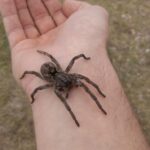
Typical spiders in bogs may include small crab spiders (Thomisidae), sheet-web builders (Linyphiidae), wolf spiders (Lycosidae), and occasional orb-weavers in vegetation margins. Each family differs in body proportions, so “bog spider” is shorthand for multiple species types.
Typical habitats within a bog
Bogs include microhabitats like water edges, mossy hummocks, low shrubs, and dense vine layers. Spiders partition these areas according to their size, behavior, and hunting style.
Measuring Spider Size: Terminology and Methods
Body length vs. legspan
Body length is measured from the front of the cephalothorax to the end of the abdomen. Legspan refers to the maximum distance between extended legs. Many small species appear bigger because of long legspans.
Tools and techniques researchers use
Biologists use calipers, rulers, and macro photography with scale bars. Citizen scientists may use a clear ruler, jar, or coin for scale.
Average Cranberry Bog Spiders Size — Numbers You Can Use
Small-bodied species (measurements)
Body length: 2–4 mm. Common among sheet-weavers and small crab spiders. Legspans may reach 6–12 mm.
Medium-bodied species (measurements)
Body length: 5–10 mm. Common in jumping spiders, juvenile wolf spiders, and small orb-weavers. Legspans: 1–2.5 cm.
Large-bodied species (measurements)
Body length: 10–25+ mm. Includes adult wolf spiders and larger orb-weavers. Legspans: 4–8 cm.
Why Size Varies: Ecology & Life Stage Effects
Juveniles vs. adults
Juveniles can be only a fraction of adult size. A young wolf spider may be 3–4 mm but grow to 15 mm or more as an adult.
Sexual dimorphism (male vs. female size)
Females are usually larger, especially in wolf spiders and orb-weavers. Males are slender and more mobile.
Seasonal influences
Season and temperature affect growth rates. Warm springs may produce larger individuals, shifting the average cranberry bog spiders size.
Behavior Linked to Size
Hunting and foraging strategies
Small spiders intercept tiny flying insects, medium ones stalk on foliage, and large wolf spiders chase prey across open hummocks.
Predator avoidance and camouflage
Small spiders hide in tight spaces; medium spiders rely on color camouflage; larger spiders rely on speed and stealth.
Role in the cranberry bog food web
Different sizes handle different prey sizes, forming a layered predator system that stabilizes bog ecosystems.
Microhabitat Choices and Size-Related Niches
Water edges, thatch, and low vegetation
Tiny spiders occupy moss and litter; medium spiders patrol vines; large hunters roam dry, open hummocks.
How structure of bogs shapes spider communities
Changes in drainage, mowing, or pesticide use shift microhabitats and influence which sizes dominate.
Interactions with Cranberry Agriculture
Are they pests or beneficial?
Most cranberry bog spiders are beneficial predators that reduce pest insects like aphids and moth larvae.
How size affects pest control roles
Small spiders target small pests; medium and large ones handle larger herbivores. A diverse size range improves natural biological control.
Human Encounters: Bites, Risks, and Misconceptions
Bite likelihood and venom potency
Most bog spiders have mild venom meant for insects. Bites are rare and usually harmless.
When to worry (and when not to)
Severe reactions are uncommon. Gloves help avoid accidental contact during fieldwork.
Research Methods: How Scientists Study Bog Spiders
Field surveys and sweep-netting
Pitfall traps, sweep nets, and beating sheets help researchers sample spiders across habitats.
Lab measurements and photography
Spiders are measured with calipers or via macro photography. Metadata on date, weather, and microhabitat improve size analyses.
Conservation, Climate Change, and Size Trends
How warming and water changes may shift sizes
Temperature–size tradeoffs may result in smaller adults during warmer years if prey is scarce. Rich prey availability may produce larger individuals.
Implications for bog ecosystems
Shifts in average size can alter predator–prey balance and impact pest pressure on cranberry crops.
Practical Tips for Naturalists and Students
How to safely measure a spider
Use a clear tube or macro photo with a ruler or coin. Avoid handling directly when possible.
Recording observations for citizen science
Record date, location, microhabitat, and size. Upload to platforms like iNaturalist.
Summary of Key Size Facts
- Range: Body lengths from ~2 mm to 25+ mm.
- Perception: Legspans can make spiders look larger.
- Role: Size predicts hunting style and ecological role.
- Ecology: Diverse spider sizes stabilize bog ecosystems.
Conclusion
Cranberry bog spiders vary greatly in size, behavior, and ecological impact. The term cranberry bog spiders size covers everything from tiny sheet-weavers to large wolf spiders. Size influences hunting ability, habitat choice, and roles in pest control. Understanding these dynamics helps ecologists, students, and naturalists monitor bog ecosystems more accurately.
FAQs
1. How big are cranberry bog spiders on average?
Most range from about 2 mm to 25+ mm in body length depending on species and life stage.
2. Does legspan or body length matter more?
Body length is more useful for scientific comparisons, but legspan affects perception and mobility.
3. Are larger spiders better for pest control?
Both small and large spiders control different pest sizes. A mix is best.
4. Can I safely measure spiders myself?
Yes — through safe capture tubes, scale photos, or observation cards.
5. Will climate change affect spider size?
Likely yes. Warming may produce smaller or larger adults depending on prey availability.
- Discover the true size and behavior of cranberry bog spiders and why they matter in wetland ecosystems.
- Perfect for biology lovers, ecology students, and anyone curious about the secret predators of cranberry bogs.