Introduction: Why Cranberry Bogs Matter for Wildlife
Cranberry bogs are more than tidy, red-fruited farms — they’re dynamic wetland mosaics that host surprising biodiversity. Among the lesser-known but ecologically important residents are wolf spiders. If you’ve ever wandered near a cranberry bog you might not notice these arachnids right away, but their presence is critical: they help regulate insect populations, link energy across trophic levels, and add to the resilience of bog ecosystems. This article explores how and why wolf spider cranberry bog spiders thrive in these watery landscapes, what they do there, and how human management can help (or hurt) them.
Meet the Residents: Who Are Wolf Spiders?
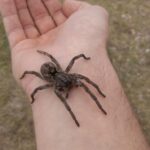
Wolf spiders (family Lycosidae) are a diverse group of ground-dwelling hunters known for speed, keen eyesight, and maternal care — mothers carry egg sacs on their spinnerets and often transport spiderlings on their backs. Unlike web-building spiders, they actively hunt, pounce, and chase. In cranberry bogs, several species may be present depending on region, each adapted to slightly different microhabitats.
Physical traits and identification
Wolf spiders vary in size from a few millimeters to over 30 mm body length. They are typically stout, with robust legs and a compact cephalothorax. Key ID features include: large, forward-facing eyes (arranged in three rows), cryptic brown/grey coloration, and banded legs. In the field, look for fast runners on the ground or spiders peeking from small burrows.
Behavioral highlights: hunters, not web-weavers
Wolf spiders don’t rely on webs to catch prey. Instead, they use camouflage, speed, and stealth. They are primarily nocturnal hunters but may be active during the day in cooler weather. In bogs, their hunting behaviors adapt to wet surfaces, dense grasses, and seasonal water levels.
What Makes Cranberry Bogs a Unique Habitat?
Cranberry bogs are engineered wetlands: they’re flooded and drained seasonally, planted with low vines, and often surrounded by ditches and upland buffers. This creates a patchwork of microhabitats — open water, raised beds, drier tussocks, litter layers, and agricultural edges — each offering different resources for arthropods.
Hydrology and seasonal flooding
Flooding is a defining feature. During harvest and winter flood events, water levels change rapidly. Wolf spiders cope by selecting elevated micro-sites or by moving to adjacent drier habitats. The fluctuating water also influences prey availability, concentrating insects at certain times and providing pulse resources.
Vegetation structure and microhabitats
Cranberry vines, sedges, moss mats, and accumulated leaf litter create vertical structure. Some wolf spiders occupy tussocks or moss patches where they find shelter and hunting perches; others use bare soil margins for sprinting after prey.
Soil, peat, and acidity factors
Many bogs have acidic, organic soils and peat layers. These substrates influence burrow stability, moisture retention, and microclimate. Species that specialize in burrowing may be limited to firmer peat pockets or raised beds where the substrate supports a tunnel.
How Wolf Spiders Use the Bog: Microhabitat Preferences
Burrows, tussocks, and litter layers
Burrow-dwelling wolf spiders create small tunnels lined with silk and detritus. Tussocks — raised clumps of vegetation — offer dry microrefugia during floods and are excellent sites for egg-laying. Litter layers are valuable for juvenile spiders seeking cover from predators and environmental extremes.
Hunting strategies in open vs sheltered zones
Open zones favor sprint predators: spiders dash and grab. Sheltered zones favor sit-and-wait tactics: the spider waits near moss edges or under debris and ambushes passing prey. The same species may switch strategies based on time of day and moisture.
Reproduction and nursery webs in bogs
After mating, female wolf spiders produce egg sacs and often tether them to their spinnerets. In the bog, females choose nesting sites that remain relatively dry during seasonal floods. Once eggs hatch, spiderlings ride on the mother’s back until they disperse — an adaptation that increases juvenile survival in a shifting landscape.
Food Web Role: Predators, Prey, and Ecosystem Balance
Prey types common in cranberry bogs
Cranberry bogs attract many insects — sap-sucking pests, pollinators, and detritivores. Wolf spiders help control pest outbreaks by eating larvae and adult insects that might otherwise damage crops or carry disease.
Predators and competition
Birds, shrews, and amphibians prey on wolf spiders. Competition exists with other ground predators such as carabid beetles. These interactions form a mesh of checks and balances that stabilize the bog ecosystem.
Seasonal Dynamics: How Yearly Cycles Shape Spider Life
Spring thaw and egg sac timing
In spring, rising temperatures trigger activity. Many adult females carry egg sacs timed so that spiderlings hatch during spring/summer when prey is abundant. Snowmelt and early floods force spiders to seek elevated nursery sites.
Summer activity and molting
Summer brings the most spider activity: feeding, growth, and molting. Juveniles disperse, and adults hunt actively during cooler nights. Foraging success in summer sets the stage for overwinter survival.
Autumn dispersal and overwintering
As temperatures fall and bog management begins (harvest floods, mowing), wolf spiders either move to stable refuges or enter a state of reduced activity. Overwintering site choice is crucial — spiders that find stable, insulated pockets have higher survival.
Human Influence: Agriculture, Management, and Conservation
Cranberry farming practices that affect spiders
Chemical pesticides can reduce spider abundance directly or indirectly by removing prey species. Frequent mechanical disturbance (raking, mowing) can destroy burrows and egg sacs. Conversely, well-timed flooding can be less damaging if spiders have access to refuge areas.
Integrated pest management and biodiversity-friendly choices
IPM strategies that favor biological control (like encouraging wolf spiders) can reduce pesticide need. Farmers can create refuges (permanent tussocks, hedge rows, and grassy margins), reduce broad-spectrum insecticide use, and time disturbances to avoid peak breeding windows — all measures that help maintain healthy spider populations and, in turn, pest control.
Research Methods: How Scientists Study Wolf Spiders in Bogs
Pitfall traps, visual surveys, telemetry (miniaturized)
Pitfall traps sample ground-active arthropods; careful placement along transects reveals abundance patterns. Visual transect surveys and timed searches can identify behavior and microhabitat use. Emerging technology, like tiny radio tags or harmonic radar, has been used experimentally to track arthropod movement — though it’s still challenging on small spiders.
Citizen science and monitoring opportunities
Local volunteers can contribute by photographing spiders, recording sightings, or helping maintain biodiversity-friendly buffers. Citizen reports can reveal seasonal patterns and hotspots of diversity.
Practical Tips: Observing and Protecting Bog Spiders
Where and when to look safely
Early morning or twilight along edges and raised beds is ideal. Wear waterproof boots, respect private property (many bogs are farmed), and avoid trampling vegetation. A small headlamp helps for nocturnal observations.
How to minimize disturbance
If you’re a land manager or visitor, avoid unnecessary chemical sprays, create and maintain vegetated buffers, and leave tussocks and old plant litter where possible. These practices help maintain microhabitats crucial for wolf spiders and other beneficial arthropods.
Conclusion: Why These Spiders Matter
Wolf spiders in cranberry bogs are more than incidental inhabitants — they’re active agents shaping insect populations and contributing to ecological resilience. The phrase wolf spider cranberry bog spiders captures a particular ecological niche where predator and habitat interplay is both fascinating and functionally important. By understanding their life histories, seasonal needs, and responses to farming practices, we can better manage bogs for productivity and biodiversity. Simple changes in management — timing of floods, maintaining refuge patches, and reduced pesticide reliance — allow these natural pest controllers to thrive, benefitting crops and wild ecosystems alike.
Frequently Asked Questions (FAQs)
Q1: Are wolf spiders dangerous to people in cranberry bogs?
No — wolf spiders are not aggressive toward people. They can bite if handled roughly, but bites are rare and usually result in mild, short-lived irritation.
Q2: Do wolf spiders help control cranberry pests?
Yes — they prey on many insect pests and can contribute to natural pest suppression, especially when other predators are present and pesticide use is limited.
Q3: How can cranberry farmers encourage wolf spiders without harming yield?
Create grassy or vegetated margins, reduce broad-spectrum insecticides, time mechanical disturbances to avoid breeding seasons, and leave small tussocks or uncut refuges.
Q4: Will seasonal flooding wash away spider populations?
Flooding alters where spiders can live but doesn’t necessarily eliminate populations. Spiders use elevated microhabitats, move to adjacent uplands, or overwinter in protected pockets.
Q5: Can I observe wolf spiders without special equipment?
Yes — simple binoculars, a headlamp for night observations, and careful searching around tussocks and edges will reveal wolf spiders. Always respect private property and minimize habitat disturbance.
- Discover the hidden world of wolf spiders thriving in cranberry bogs and their vital role in the ecosystem.
- Learn how these fascinating predators support biodiversity and natural pest control in wetlands.