Introduction — Why Cranberry Wetlands Matter
Peat-rich, waterlogged, and often shimmering with morning mist, cranberry wetlands are more than just productive farmland — they’re living mosaics of microhabitats that host surprising biodiversity. Tucked into those mossy mats are nimble predators doing important ecological work: bog spiders. In this article, we explore how bog spiders cranberry environments function, how spiders adapt and thrive there, and why conserving these wetlands matters for both nature and agriculture.
What Are Bog Spiders? (Overview)
Taxonomy and common species in wetlands
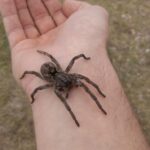
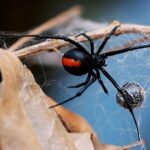
“Bog spiders” is a general phrase rather than a strict taxonomic label — it refers to various spider groups that prefer wetland habitats. These may include wolf spiders, sheet-web weavers, and fishing spiders. They share ecological traits that make bogs attractive: abundant insect prey, vegetation structures, and low competition from strictly terrestrial species.
Key physical and behavioral traits
Bog-associated spiders often have hydrophobic body hairs, long legs, and silk suited for attaching to wet surfaces. Most are ambush hunters or roaming predators rather than large orb-weavers because open bogs make maintaining delicate webs difficult.
Cranberry Wetlands: Ecology and Structure
Hydrology and soil
Cranberry bogs typically have peat-based, acidic soils with high organic matter. The fluctuating water table creates a patchwork of wet and drier microhabitats — ideal for spider diversity.
Typical plant community (cranberries, sedges, mosses)
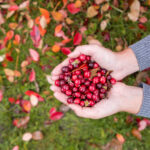
Cranberries grow among sedges, rushes, and thick Sphagnum moss layers. This vegetation creates hunting perches, shelter, and silk anchor points that spiders rely on.
How Bog Spiders Fit into the Cranberry Wetland Food Web
Prey and hunting strategies
Bog spiders feed on midges, mosquitoes, beetles, springtails, and other wetland invertebrates. Their predation helps regulate insect populations, including potential cranberry pests.
Predators and competition
Birds, amphibians, larger insects, and small mammals prey on bog spiders. Competition from ground beetles and other predators shapes where spiders hunt and hide.
Microhabitats Within Cranberry Bogs
Edge habitats vs. open bog
Bog edges often offer more complexity and slightly drier conditions, suitable for nesting and overwintering. Open bog surfaces dominated by Sphagnum require more specialized adaptations.
Moss mats, peat hummocks, and water margins
Hummocks and moss mats create islands of dryness perfect for egg sacs. Water margins offer abundant prey but also pose flooding risks. Spiders select microhabitats based on life stage and predation pressure.
Seasonal Life Cycle of Bog Spiders in Cranberry Wetlands
Spring emergence and mating
With rising temperatures, spiders become active. Males roam for mates while females choose elevated spots for egg sacs, timed with insect emergence.
Summer activity and juvenile development
Summer is peak activity—moulting, dispersal, and feeding. Juveniles often forage at dawn or dusk to avoid predation and extreme conditions.
Overwintering strategies
Some species overwinter as eggs in silk sacs, while others survive as juveniles or adults hidden beneath peat or leaf litter. Moisture-protected microhabitats are essential.
Adaptations to Wet and Acidic Conditions
Respiration, silk, and web placement
Hydrophobic hairs prevent water from clinging to their bodies, and their silk adheres better to damp vegetation. Many spiders position egg sacs above wet areas to avoid fungal infections.
Behavioral adaptations to water and flooding
When water rises, spiders climb sedge stems. Some fishing spiders can run across water or catch small aquatic prey — remarkable survival strategies for bog life.
Interactions with Cranberry Agriculture
Benefits: pest control and pollination support
Spiders naturally reduce pests that damage cranberry crops. While they aren’t pollinators, their influence on insect communities indirectly supports pollinator health.
Risks: pesticide exposure and habitat modification
Pesticides, drainage, and monoculture practices can reduce spider populations by eliminating prey and destroying microhabitats. Broad-spectrum insecticides are especially harmful.
Research Methods: How Scientists Study Bog Spiders
Pitfall traps, sweep nets, and citizen science
Researchers use pitfall traps for ground-active species, sweep nets for vegetation-dwelling spiders, and citizen science programs for large-scale seasonal data.
Tracking population changes over time
Mark–recapture and DNA-based identification help monitor long-term population trends, diet diversity, and responses to environmental changes.
Conservation Concerns and Management
Habitat loss and drainage
Drainage, peat extraction, and development threaten bog spider habitats. Even minor changes in water levels can impact species composition.
Best management practices for wetland-friendly cranberry farming
Maintaining buffer strips, reducing pesticide use, preserving natural water cycles, and creating no-spray refuges can support thriving spider populations.
Citizen Action: How to Help Local Cranberry Wetland Ecosystems
What neighbours and farmers can do
Promote native vegetation buffers, avoid unnecessary pesticides, and support wetland restoration. Farmers can implement IPM and maintain habitat complexity.
Volunteer and monitoring opportunities
Citizen science projects allow volunteers to record spider sightings, contributing to regional biodiversity databases and helping scientists track long-term trends.
Case Study: A Cranberry Bog Survey (Illustrative)
Methods
A six-month survey using sweep nets and pitfall traps records abundance, species type, microhabitats, and environmental conditions.
Key findings and takeaways
Results typically show higher diversity near bog margins and declines after pesticide use, demonstrating the importance of vegetation buffers.
Future Research Directions
Climate change impacts
Changing rainfall and temperature patterns may alter bog hydrology, affecting spider survival and distribution. Long-term monitoring is crucial.
Role of spiders in wetland resilience
Spiders may help stabilize insect communities and reduce pest outbreaks, contributing to greater wetland resilience — a topic needing further research.
Conclusion
Bog spiders in cranberry wetlands play a vital role in ecosystem balance. Their clever adaptations allow them to thrive in wet, acidic habitats, and their predation helps maintain healthy insect populations. Supporting biodiversity, reducing chemical inputs, and protecting wetland structure ensures these ecosystems — and their spider inhabitants — continue to flourish.
FAQs
Q1: Are bog spiders dangerous to humans?
No. They are harmless and may only cause minor irritation if they bite, which is rare.
Q2: How can farmers encourage beneficial spiders?
By preserving vegetation buffers, reducing insecticides, using IPM, and maintaining hummocks and sedge stands.
Q3: Do bog spiders eat cranberry pests?
Yes. They naturally prey on many insects considered pests in cranberry farming.
Q4: Can people help bog spiders outside cranberry farms?
Yes. Protect wetlands, plant native vegetation, avoid chemical runoff, and participate in biodiversity monitoring.
Q5: How do researchers identify spider species?
Through field sampling, morphological keys, photographs, and DNA analysis.
- Discover the hidden world of bog spiders thriving in cranberry wetlands and why these tiny predators matter for ecological balance.
- Explore their unique habitat, adaptations, and role in sustaining healthy wetland ecosystems.